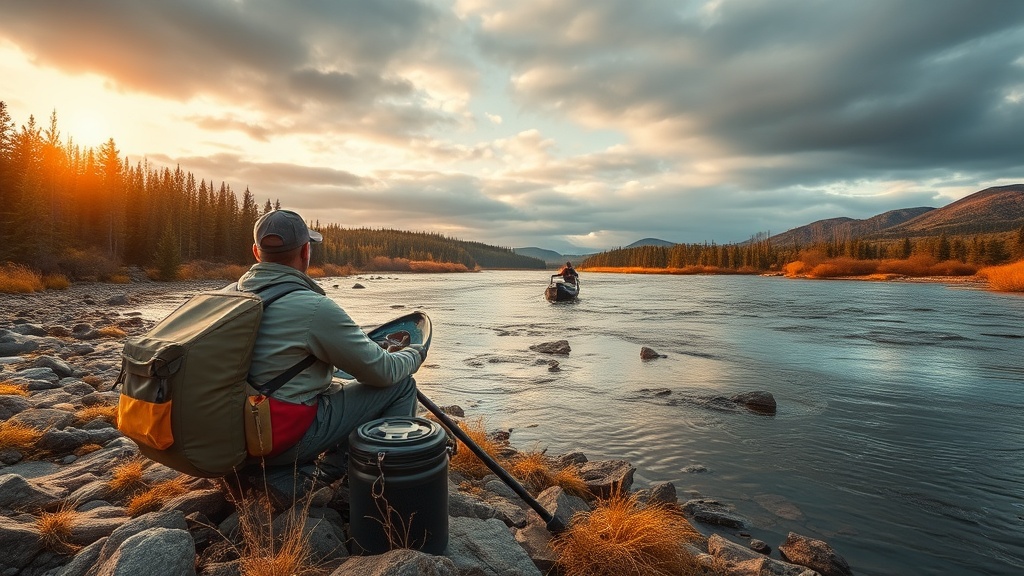
Packing for a Successful Weekend at the Fish River

You’re standing in your kitchen in Gregoire, staring at a pile of gear and realizing you have no idea if you've packed enough for a trip to the Fish River. You want to spend the weekend fishing or hiking near the riverbanks, but the weather in the Wood Buffalo region is notoriously unpredictable. This post provides a specific checklist for packing gear, clothing, and supplies tailored to the Fish River area to ensure you aren't caught off guard by a sudden downpour or a drop in temperature.
What Should I Pack for Fishing at Fish River?
You need high-quality wading gear, a reliable fishing rod, and a sturdy tackle box to enjoy a successful weekend. If you're planning to wade into the water, a pair of Orvis waders or even basic chest waders from a local shop will keep you dry and warm. The water temperature can vary wildly depending on the time of year, so don't skip the thermal layers.
Here is a breakdown of the gear you'll actually use:
- Fishing Rod & Reel: A medium-action spinning rod works best for the river's currents.
- Tackle Box: Include a variety of lures, hooks, and extra line.
- Wading Boots: Make sure they have felt soles or high-traction rubber to prevent slipping on the riverbed stones.
- Polarized Sunglasses: Brands like Costa or Smith are great because they help you see through the surface glare to spot fish.
- Nets: A small, handheld rubber net is much easier to manage than a large landing net.
It's a good idea to check the Alberta Guide to Fish and Wildlife before you head out. This ensures you're following all current regulations regarding seasons and limits for the specific species you're targeting. There's nothing worse than getting a fine because you didn't check the rules first.
If you're more interested in a relaxing afternoon than a heavy fishing session, you might also want to look into finding your perfect picnic spot near the river valley to see how to set up camp comfortably.
How Much Gear Do I Need for Hiking the River Trails?
A lightweight daypack, sturdy hiking boots, and a reliable water bottle are the minimum requirements for a safe hike. The terrain around the Fish River can be uneven with plenty of roots and loose gravel. You aren't just walking on a paved path here—you're in the wild.
I highly recommend wearing something like the Patagonia Nano Puff or a similar lightweight insulated jacket. Even if it feels warm while you're walking, the wind off the water can feel biting once you stop moving. Layering is your best friend in Northern Alberta. One minute you're sweating, the next you're shivering.
The Gear Comparison: Day Hike vs. Weekend Trek
| Item | Day Hike (Short Trip) | Weekend Trip (Overnight) |
|---|---|---|
| Pack Size | 15-20 Liters | 40-50 Liters |
| Footwear | Trail Runners | Waterproof Hiking Boots |
| Water Storage | 1 Litre Bottle | 2-3 Litre Hydration Bladder |
| Navigation | Smartphone App | Physical Map & Compass |
Don't forget a small first aid kit. It doesn't need to be a professional medical bag, but having some bandages and antiseptic wipes from a brand like Band-Aid is smart. A simple scrape can become a real problem if you're miles away from the nearest road.
What Clothing Is Best for Alberta Weather?
The best clothing for the Fish River area involves moisture-wicking base layers and a high-quality waterproof outer shell. Because the weather can shift from sunny to a thunderstorm in twenty minutes, you can't rely on "hoping for the best." You need to be prepared for the worst-case scenario.
Avoid cotton at all costs. Cotton stays wet and cold once it gets damp from sweat or rain. Instead, look for synthetic materials or merino wool. If you're a serious hiker, a REI Co-op base layer or something from Arc'teryx will keep the moisture away from your skin. This keeps your body temperature stable, which is vital when the sun goes down.
A quick tip: always pack an extra pair of socks. There is a specific kind of misery that comes from wearing damp socks for six hours. It's a small thing, but it makes a massive difference in your overall mood (and foot health).
The following list covers your clothing essentials:
- Base Layer: Merino wool or synthetic T-shirt.
- Mid Layer: A fleece or lightweight puffer jacket.
- Outer Layer: A breathable, waterproof rain shell.
- Bottoms: Quick-dry hiking pants (avoid denim).
- Accessories: A wide-brimmed hat for sun protection and a beanie for the evening.
The sun can be intense even when it isn't particularly hot. A good SPF 50 sunscreen and a hat are non-negotiable. You'll thank me when you don't have a sunburn on Monday morning.
How Do I Prepare for Bugs and Wildlife?
Carry a high-quality insect repellent and be aware of your surroundings to stay safe around local wildlife. The mosquitoes and black flies around the Fish River can be relentless, especially during the warmer months. It's not just an annoyance—it can actually ruin your ability to enjoy the outdoors.
I usually swear by Sawyer insect repellent or anything containing DEET. If you prefer a more natural route, look for products with high concentrations of citronella. Also, keep your food secured. We are in bear country, after all. This isn't a suggestion; it's a necessity for anyone spending time in the bush around Fort McMurray.
When it comes to bears, you don't need to be paranoid, but you do need to be smart. If you're hiking in a group, make some noise. If you're solo, maybe carry a small bell or just talk to yourself occasionally. It's a funny way to stay safe, but it works. Most animals will move along if they know you're coming.
For more information on local wildlife safety and what to do in case of an encounter, check out the Parks Canada website. They have excellent resources on how to behave around bears and other large animals in the Canadian wilderness.
If you're looking for ways to enjoy the local area more broadly, check out our post on 12 things locals actually do in Fort McMurray. It might give you some ideas for what to do once you've finished your river adventure.
One last thing to remember: the Fish River is a beautiful, natural resource. Please pack out everything you pack in. Leave no trace. We want these spots to stay pristine for the next person who wants to enjoy a quiet weekend away from the city noise.
Steps
- 1
Check the Weather and Water Levels
- 2
Gather Your Fishing Gear and Licenses
- 3
Pack High-Energy Snacks and Hydration
- 4
Don't Forget Bug Spray and Sunscreen