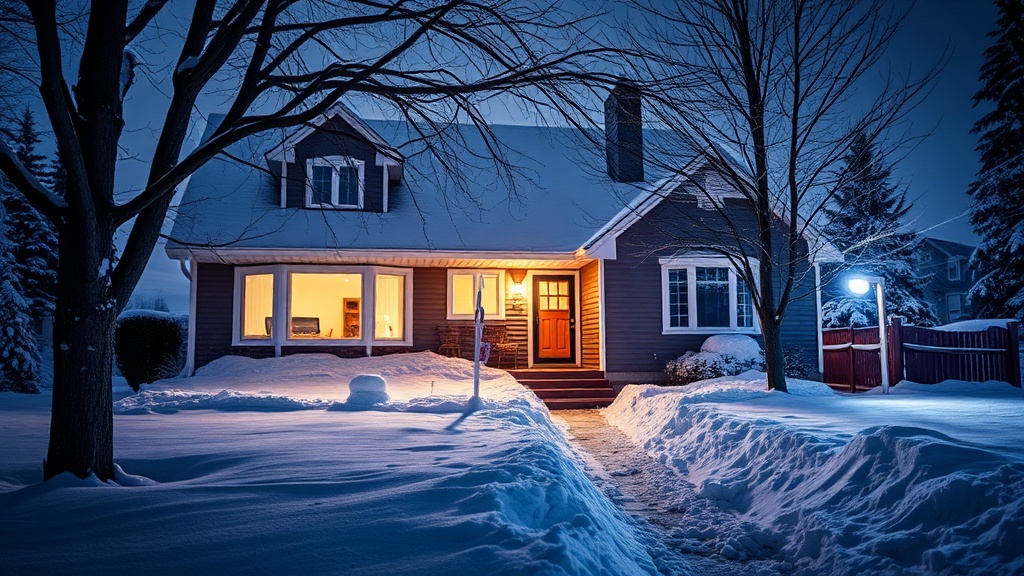
Is Your Fort McMurray Home Actually Ready for Another Winter?

You wake up at 5 AM to a thermostat reading 12°C and the sound of a furnace that's been running non-stop. Outside, the thermometer shows -32°C — and it's only mid-November. This isn't a hypothetical scenario for many of us in Fort McMurray. Last year's cold snaps caught plenty of homeowners off guard, and with energy costs still climbing, getting ahead of winter prep isn't just smart — it's necessary for your wallet and your family's comfort.
Our community faces unique challenges that southern Alberta homeowners don't think twice about. Extended periods of extreme cold, freeze-thaw cycles that test every seal and seam, and the occasional spring flood risk when everything finally melts. The good news? A systematic approach to winter readiness can prevent most of the expensive emergencies we've all heard about (or experienced) through neighbours on local Facebook groups.
Where Should You Start With Winter Preparation in Fort McMurray?
Most local homeowners begin with the obvious — furnace filters, weatherstripping, maybe some caulking around windows. But Fort McMurray's climate demands a more thorough checklist. We live in one of Canada's most extreme winter environments, and our homes need preparation that matches that reality.
Start with your exterior envelope. Walk around your property and look for gaps where different materials meet — foundation to siding, window frames to brick, anywhere pipes or vents penetrate walls. These junctions expand and contract dramatically through our temperature swings. Use high-quality silicone caulk rated for extreme temperatures, not the cheap stuff that'll crack by January. Pay special attention to the north-facing walls of your home — they take the brunt of our prevailing winds and often show damage first.
Your roof deserves careful inspection too. Ice damming is a real problem in Fort McMurray when attic heat escapes and melts snow unevenly. Check for missing shingles, damaged flashing around chimneys, and ensure your gutters are clear. If you're not comfortable on a ladder, local contractors like Wood Buffalo's home maintenance services can handle this safely.
What About Your Heating System — Is It Really Ready?
Here's where many of us get complacent. The furnace worked fine last year, so it'll be fine this year, right? Except that neglect costs Fort McMurray homeowners thousands in emergency calls every winter — often during the coldest weeks when HVAC companies are already overwhelmed.
Book a professional furnace inspection early, ideally in September before the rush. A qualified technician will check heat exchangers for cracks (a carbon monoxide risk), clean burners for efficiency, and test safety controls. If your furnace is more than 15 years old, start budgeting for replacement — our harsh winters push heating systems harder than milder climates, and you don't want a failure during a -40°C snap.
Don't ignore your hot water tank either. In our climate, tanks work overtime, and sediment buildup happens faster. Drain and flush it annually, check the pressure relief valve, and inspect the anode rod if you're handy. A failed hot water tank in January isn't just inconvenient — it's miserable when you can't easily air-dry laundry or wash dishes without heating water on the stove.
Consider a programmable thermostat if you don't have one. Lowering temperatures 2-3 degrees while you're sleeping or away can save 10-15% on heating bills — real money when January bills can hit $400+ for a detached home in Fort McMurray. The Efficiency Alberta programs sometimes offer rebates on smart thermostats, so check what's currently available.
How Do You Protect Pipes and Plumbing From Freezing?
Frozen pipes are the emergency every Fort McMurray homeowner dreads — and for good reason. When water freezes, it expands with incredible force, splitting copper and PEX alike. The resulting flood can cause tens of thousands in damage.
Start with prevention. Identify any pipes running through exterior walls, unheated crawl spaces, or attics. These are your highest-risk areas. Add pipe insulation sleeves (the foam tubes from hardware stores work well), and consider heat tape for especially vulnerable sections. Don't forget outdoor faucets — shut off interior valves if you have them, disconnect hoses, and install insulated faucet covers.
Know where your main water shutoff valve is. Every adult in your household should know how to turn it off quickly. If a pipe does freeze, shutting off water immediately limits damage while you thaw things carefully with a hair dryer or heating pad — never an open flame.
During extreme cold snaps (the -35°C and below stretches we get most winters), let faucets drip slightly and open cabinet doors under sinks to allow warm air circulation. Yes, it wastes some water, but it's far cheaper than emergency plumbing repairs. If you're away from home for more than a day during winter, keep your thermostat at 15°C minimum and have a neighbour check the house.
What About Winter Safety and Emergency Preparedness?
Our harsh climate means power outages — while rare — can become dangerous quickly when it's -30°C outside. A winter-ready home in Fort McMurray includes backup plans for extended outages.
Keep an emergency kit stocked: flashlights, batteries, bottled water, non-perishable food, and warm blankets. If you have a generator, test it before winter and never run it indoors or in attached garages — carbon monoxide kills silently. Know how to stay warm safely. Fireplace? Ensure it's been inspected and the chimney cleaned. Space heaters? Keep them away from anything flammable and never leave them running unattended.
Check your smoke and carbon monoxide detectors monthly. Our homes are sealed tight against cold, so CO buildup is a real risk from any fuel-burning appliance. Replace batteries annually and detectors every 7-10 years (they have manufacture dates on the back).
Have a plan for snow removal too. Heavy snow loads can damage roofs, and blocked furnace vents create carbon monoxide hazards. Invest in a good snow shovel or blower, or arrange for a reliable snow removal service before the first big dump. The Regional Municipality of Wood Buffalo clears major roads, but you're responsible for your driveway, walkways, and ensuring fire hydrants near your property remain accessible.
Are There Local Resources to Help With Winter Preparation?
Fort McMurray has resources many residents don't know about. The Wood Buffalo Regional Library offers free workshops on home maintenance and energy efficiency throughout fall — check their event calendar. Some local hardware stores run winterization clinics on weekends, teaching basic skills like caulking and weatherstripping.
For seniors or those with limited mobility, some community organizations offer assistance with outdoor winter prep tasks. The NorWest Community Health Centre sometimes connects residents with volunteer programs for home safety checks.
Don't forget about insurance considerations. Document your home's condition before winter with photos or video. If you do suffer winter damage, having pre-damage documentation speeds claims considerably. Know your policy's coverage for things like sewer backup (increasingly relevant with our freeze-thaw cycles) and whether you have additional living expense coverage if your home becomes uninhabitable.
Finally, connect with your neighbours. Fort McMurray has a strong community spirit, and neighbour networks prove invaluable during emergencies. Exchange contact info, check on elderly residents during extreme weather, and share resources like generators or snow equipment when needed. We get through our harsh winters together — it's one of the things that makes living here special despite the challenges.