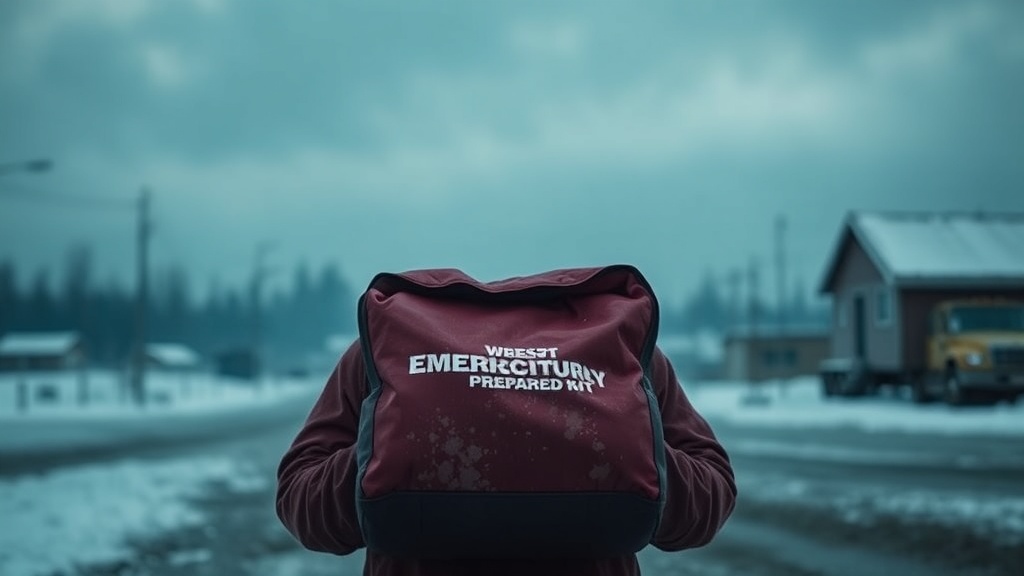
How to Build Your Emergency Preparedness Kit for Fort McMurray

What Would You Do If the Power Went Out for Three Days?
It's a question most of us in Fort McMurray would rather not think about—especially after what our community went through in 2016. But living in the Regional Municipality of Wood Buffalo means accepting that emergencies can happen, whether it's a severe winter storm knocking out power lines, a spring flood risk along the Athabasca River, or another wildfire evacuation. The difference between a stressful situation and a dangerous one often comes down to preparation. Building an emergency kit isn't about paranoia—it's about taking practical steps to keep your family safe and comfortable when the unexpected happens in our remote northern community.
Fort McMurray's unique geography makes emergency preparedness more than just a good idea—it's a necessity. We're over 400 kilometres from the nearest major city, which means help can take time to arrive, especially during harsh weather conditions. Our winter temperatures regularly plunge below -30°C, making a power outage potentially life-threatening without proper supplies. And with our position within the boreal forest, wildfire season is a reality we face every summer. The good news? Getting prepared doesn't have to be overwhelming or expensive. Here's what you need to know to get started.
What Emergency Supplies Should Every Fort McMurray Household Have?
Every home in Fort McMurray should have enough supplies to sustain your family for at least 72 hours without outside help—though aiming for a week is smarter given our distance from major supply centres. Start with the basics: water (four litres per person per day), non-perishable food that doesn't require cooking, manual can openers, and a battery-powered or hand-crank radio. Given our climate, you'll want extra blankets, warm clothing, and sturdy boots—think about what you'd need if the heat went out in January.
Your kit should also include flashlights with extra batteries, a first-aid kit with at least two weeks of prescription medications, personal hygiene items, and copies of important documents in a waterproof container. Don't forget supplies for pets—if you had to evacuate to one of our local reception centres like MacDonald Island Park or a school gymnasium, your furry family members would need food, leashes, and carriers. For winter-specific preparedness, consider adding a small propane heater designed for indoor use (with proper ventilation supplies), ice melt, and a snow shovel. You can find most of these items locally at Canadian Tire on MacDonald Avenue or Walmart Supercentre in Peter Pond Mall, though it's wise to stock up before emergency warnings hit and shelves empty.
How Can You Stay Informed During an Emergency in Fort McMurray?
Having supplies is only half the battle—you also need reliable information. In Fort McMurray, emergencies can develop quickly, and staying informed through official channels can make the difference between timely evacuation and getting caught in dangerous conditions. The Regional Municipality of Wood Buffalo uses multiple platforms to communicate with residents, and knowing how to access them before disaster strikes is crucial.
First, download the Alberta Emergency Alert app and ensure emergency alerts are enabled on your smartphone—these are sent automatically for life-threatening situations. The RMWB also maintains an emergency information line and updates their website and social media channels during active incidents. Local radio stations like Rock 97.9 FM and Country 93.3 FM serve as official broadcasters during emergencies, so having a battery-powered radio (or one in your vehicle) ensures you can receive updates even if cellular networks fail. During the 2016 wildfire, many residents found that radio was the most reliable source when data networks became overwhelmed. Consider also joining local community Facebook groups—while not official sources, neighbours often share real-time observations about road conditions, power outages, or smoke visibility that can help you make informed decisions.
Where Can Fort McMurray Residents Find Additional Support and Resources?
You don't have to figure this out alone. The Regional Municipality of Wood Buffalo offers several resources to help residents prepare for emergencies. The Emergency Social Services (ESS) program, coordinated through the municipality, provides support during evacuations including reception centre information and family reunification services. You can contact them through the RMWB's main line to learn about registration and what services would be available if you needed to leave your home.
For those who need extra assistance during emergencies—seniors, people with disabilities, or families with young children—it's worth reaching out to the Wood Buffalo Community Recreation Centre or the Father Mercredi Community High School area offices to ask about the Special Needs Registry. This voluntary program helps first responders know who might need priority assistance during an evacuation. Local organizations like the Canadian Red Cross Fort McMurray office also offer free emergency preparedness workshops throughout the year, and the Wood Buffalo Public Library maintains educational materials on disaster readiness. If you're new to the area or want to connect with neighbours for mutual aid, check out community leagues in neighbourhoods like Thickwood, Timberlea, or Eagle Ridge—many are building informal support networks so residents can check on each other when official help is stretched thin.
Start small. You don't need to build the perfect kit this weekend—just begin by gathering what you already have, then add one or two items each time you shop at Sobeys on Thickwood Boulevard or Superstore on Signal Road. Check expiry dates twice a year (spring and fall are good reminders) and update your kit as your family's needs change. Talk to your household about your meeting points—one near your home and one outside your neighbourhood—and practice your evacuation route using both Highway 63 southbound and the Confederation Way corridor. The peace of mind that comes from knowing you're prepared is worth the modest investment of time and money. In a community that's already proven its resilience, individual preparedness makes us all stronger.
Resources mentioned: Regional Municipality of Wood Buffalo Emergency Preparedness, Alberta Emergency Alert System, Canadian Red Cross Emergency Resources
Frequently Asked Questions
How much water should I store for my family?
Plan for four litres of water per person per day for at least three days—though given Fort McMurray's distance from supply centres, storing two weeks' worth is prudent. Don't forget water for pets.
Where are the emergency reception centres in Fort McMurray?
During large-scale evacuations, reception centres are typically established at MacDonald Island Park, Snapdragon Stadium, and local schools like Westwood Community High School. The specific location depends on the nature and direction of the emergency.
What should I do if I can't afford emergency supplies?
Start with what you have—fill clean bottles with tap water, gather blankets and warm clothes you already own, and pack non-perishable food from your pantry. The Wood Buffalo Food Bank and community organizations can sometimes help with basic supplies, and preparedness workshops through the library often provide free starter kits.